Matcha vs Hojicha: What's the Difference?
Matcha and hojicha both start as green tea, then part ways. Matcha is shade-grown, steamed, and stone-ground into a vivid green powder with a grassy, umami flavor and higher caffeine. Hojicha is that same green tea roasted afterward, turning it reddish-brown with a toasty, nutty flavor and naturally lower caffeine.
Flavor
Matcha tastes like fresh greens and nori, with a savory, umami-forward edge that comes from shading the leaves before picking. Hojicha tastes almost like a different plant — roasting drives off matcha's grassiness and replaces it with something toasty, warm, and a little sweet, closer to roasted grain than tea.
Caffeine and when to drink which
Matcha carries more caffeine, released slowly alongside L-theanine — a steady lift that's good for mornings or a focused afternoon. Hojicha's roasting process breaks down some of its caffeine, so it sits lower and gentler, which is why a lot of people reach for it later in the day or as a wind-down drink.
Preparing them
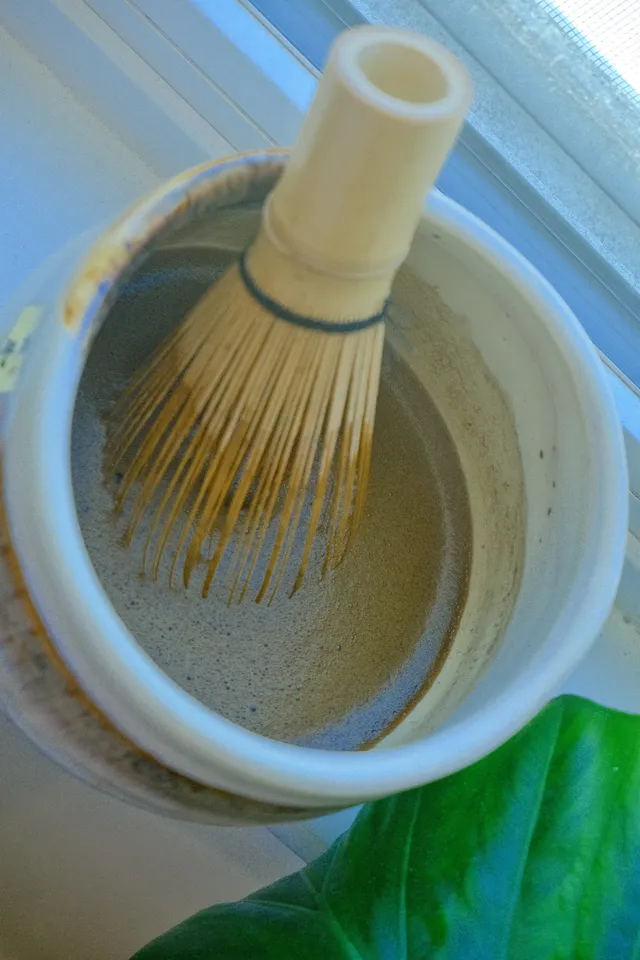
Both whisk the same way: sift into a chawan, add hot water just off the boil, and work a bamboo whisk in a brisk zigzag until the surface turns frothy. Hojicha has one extra option matcha doesn't lean on as often — stir it straight into hot milk for a simpler, latte-style cup without the whisk at all.
Which one is for you
If you want something bright, savory, and steady — closer to a focused ritual than a treat — matcha is the one. If you want something cozy, toasty, and a little sweeter, with a gentler caffeine curve, reach for hojicha. Plenty of people just keep both on hand and pick by the hour.
Curious what "ceremonial grade" actually means for matcha specifically? Readwhat is ceremonial grade matcha →.
Try one, or both
Both powders are open for preorder now, or come try either one whisked to order at our shop in Newark, CA.
Frequently Asked Questions
Is hojicha caffeine-free?
No — hojicha isn't caffeine-free, but it does carry naturally lower caffeine than matcha. Roasting the leaf breaks down some of its caffeine content, which is part of why hojicha reads as gentler and warmer, even late in the day.
Can you whisk hojicha the same way you whisk matcha?
Yes. Sift the powder into a bowl, add hot water, and work a bamboo whisk in a brisk zigzag until it's frothy — same motion, same ninety seconds. Hojicha is also easy to skip the whisk on entirely and stir straight into hot milk for a simpler latte.
Which one is sweeter, matcha or hojicha?
Hojicha generally reads sweeter and rounder, with a toasty, almost nutty warmth from roasting. Matcha's sweetness is quieter and more umami-forward, sitting closer to fresh greens and nori — it's less about sugar and more about depth.
Does matcha or hojicha work better in a latte?
Both work well in a latte, and it mostly comes down to what mood you're after. Matcha holds its vivid color and grassy edge against milk, while hojicha's roasted, toasty notes tend to round out even more once milk is added — a cozier, more dessert-like cup.
Where can I buy matcha and hojicha powder from Lạc Coffee?
Both are open for preorder at lac-coffee.com/shop — Yama no Asakiri ceremonial matcha and our premium roasted hojicha powder. You can also drink either one whisked to order at our shop in Newark, CA.